Service workflow

3M Peltor Hearing Conservation Services for Noisy Worksites

Peltor service planning is built for safety managers who need more than a product quote. The work begins with where noise is created, how workers communicate, what PPE is worn around the headset, and which records the buyer must keep for internal review. The result is a practical program path that can support EN 352 documentation, NRR selection, hygiene kit intervals, headset assignment rules, and connected safety pilot data without creating a complicated parallel system.

The service team can help translate a messy jobsite picture into repeatable decisions. A construction contractor may need helmet-mounted muffs for saw crews, a manufacturer may need electronic hearing protection that preserves instructions at a press line, and a utility crew may need communication headsets that do not interfere with arc-rated clothing. Each case is documented as a set of use conditions, product families, and training notes so procurement, safety, and supervisors can work from the same page.

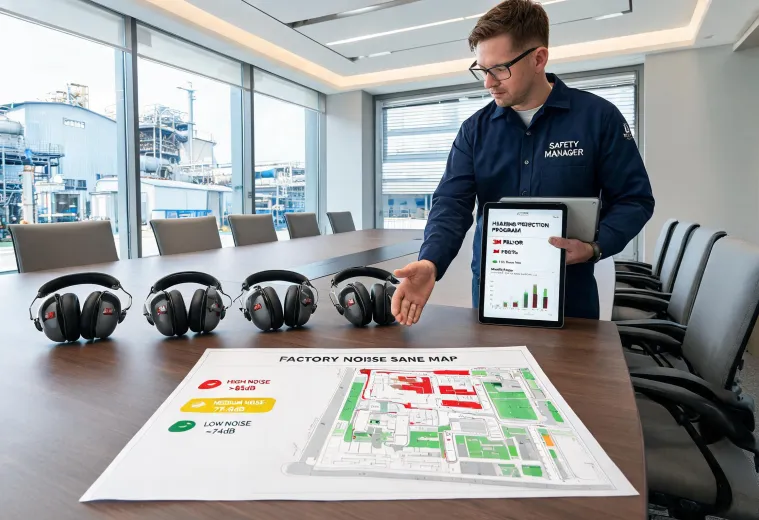
Safety manager reviewing Peltor hearing protection program
Support lanes

Three Service Tracks That Keep Selection Traceable

01

Noise Zone Review

Organize area readings, task exposure patterns, and current headset use so attenuation targets are not selected from a catalog alone. The review can reference NRR values, EN 352 documentation, and communication needs without claiming a universal fit.

02

Compatibility Planning

Check how Peltor headsets interact with hard hats, eye and face protection, respirators, hoods, or cold-weather gear. This prevents comfort, seal, and communication problems that often appear only after a crew starts wearing the equipment.

03

Pilot Documentation

Create a pilot packet with assignment rules, cleaning intervals, training messages, feedback forms, and a simple dashboard for usage observations. Buyers receive a structured basis for rollout rather than a one-time sample shipment.

Process timeline

From First Walkthrough to Rollout Decision

1

Map Work Conditions

Collect tasks, noise sources, shift length, communication channels, and companion PPE so the product family can be narrowed responsibly.

2

Shortlist Configurations

Compare passive earmuffs, electronic protection, Bluetooth-enabled options, and radio headsets against the documented workplace cases.

3

Run a Pilot

Assign workers, capture supervisor feedback, log hygiene kit condition, and review comfort or communication concerns before expanding.

4

Standardize the Program

Finalize the product list, replacement rhythm, training notes, and reporting cadence so the program remains maintainable.

Program Confidence Comes From Evidence, Not Absolute Safety Claims

Every recommendation is framed as a documented selection for a known condition. The service avoids language such as documented injury elimination or OSHA product approval. Instead, it focuses on traceable decision records, worker feedback, headset care, and standards references that a safety team can review with its own competent person.

Start with your loudest task

Ask for a Peltor Service Scope

Send a short description of your worksite, current hearing protection, and communication pain points. The response can outline which service track fits and which records are useful before a pilot begins.

Service inquiry