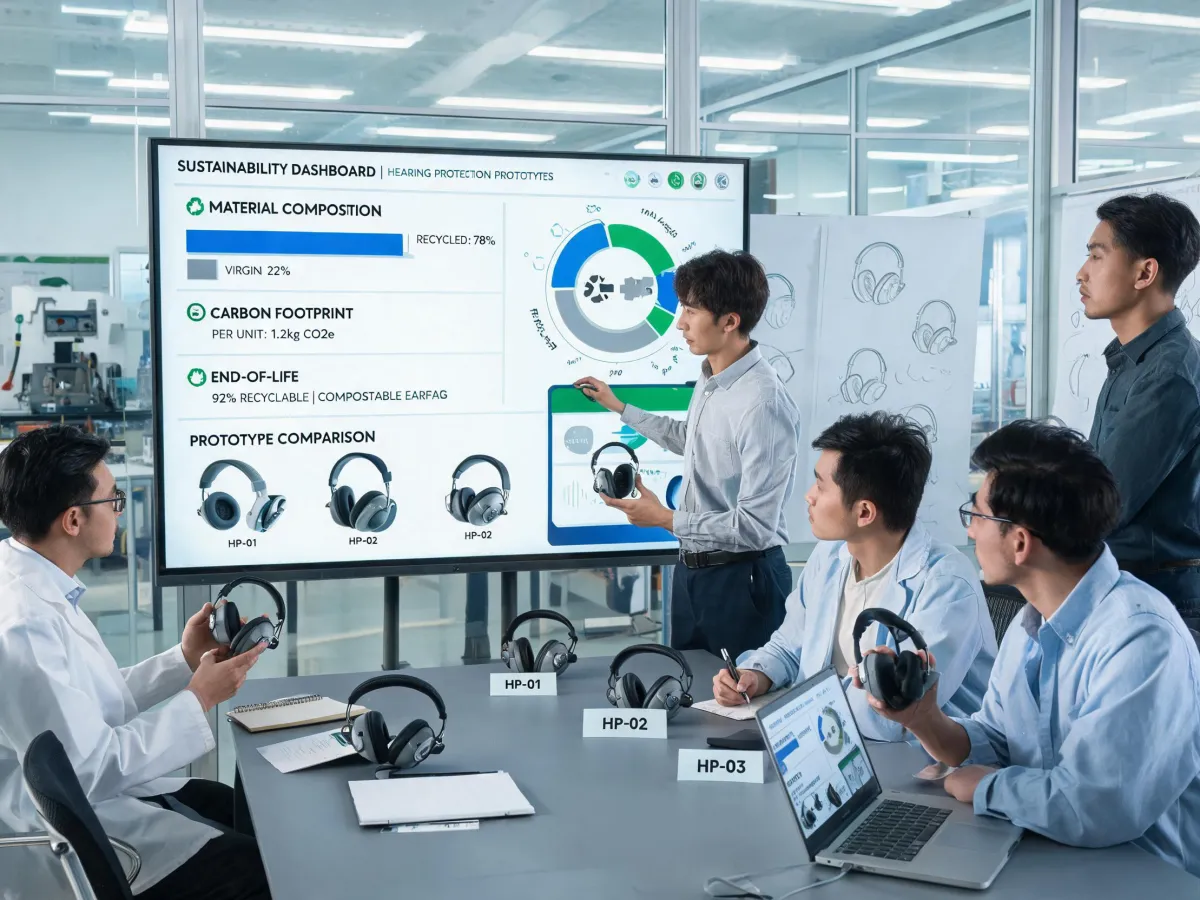
3M Peltor team reviewing hearing protection sustainability data
About the program

3M Peltor Safety Innovation With a Practical Sustainability Lens

3M Peltor is presented here as a focused hearing protection and connected safety program for professional buyers. The site combines product selection support, workplace communication planning, and sustainability documentation into a single narrative because safety programs are rarely judged on one product alone. Buyers want attenuation records, comfort feedback, replacement rhythm, materials review, and a way to keep headset decisions visible after rollout.

The team approach is deliberately cross-functional. EHS leaders define hazards, procurement keeps the SKU set maintainable, supervisors protect daily use discipline, and engineering teams evaluate connected data paths. This page explains the operating model behind that work.

Product stewardshipProgram documentationWorker feedbackConnected dataResponsible sourcing
Company timeline

From Hearing Protection Hardware to Connected Program Support

Foundation

Hearing protection begins as an equipment challenge: comfortable attenuation, durable cushions, and forms that work with helmets, face protection, or communications gear.
Program Expansion

Industrial buyers ask for documentation, training notes, hygiene replacement schedules, and better selection logic for different tasks and sites.

Connected Layer

Electronic hearing protection, Bluetooth-enabled workflows, headset checks, and EHS dashboards create a stronger feedback loop between field use and safety management.

Current Focus

The current program connects product families, workplace bundles, standards references, and sustainability data so rollout decisions remain traceable.

Manufacturing footprint map

Documentation Follows the Supply and Service Path

The footprint model emphasizes management systems, regional distribution, and service documentation rather than unsupported production claims. Each site record can track ISO 9001 quality documentation, ISO 14001 environmental management references, training material ownership, and regional product compliance files. For global buyers, this matters because hearing protection programs are maintained through ongoing replenishment, replacement parts, and user support rather than a single capital purchase.

North America
Europe
Asia Pacific
Global support files
Sustainability pillars

Four Pillars for Responsible Hearing Protection Programs

Materials

Review polymer selection, packaging reduction, replacement part availability, and opportunities for post-consumer or post-industrial content where product requirements allow.

Operations

Track energy, waste, water, and management system references so procurement teams can compare more than unit price.

Circular Loop

Encourage longer useful life through hygiene kits, care instructions, repairable components, and clean end-of-use discussions.

Workforce

Support clear training, fit coaching, and feedback capture so workers understand why the headset was chosen and how to maintain it.

ESG data hub

Trailing Twelve-Month Program Indicators

The data hub is structured for repeatable review. It can hold Scope 1 and Scope 2 operational tracking, energy management progress, water and waste notes, and product stewardship actions such as packaging changes or hygiene kit adoption. When a statement uses carbon language, the scope and verification method must be stated; the page avoids broad claims that would imply every product is carbon neutral.

Scope 1+2Operational tracking field
ISO 14001Environmental management reference
ISO 50001Energy management reference
Waste ReviewPackaging and replacement part notes
Leadership team

Roles That Keep the Program Balanced

EHS Program Lead

Owns hazard framing, training priorities, supervisor feedback, and the language used for standards references.

Quality and Compliance Lead

Maintains documentation packets, change control, and product file discipline for buyer review.

Connected Safety Lead

Coordinates headset data, dashboard prototypes, pilot analytics, and integration requests from enterprise EHS teams.

Program questions

Ask for Company, Sustainability, or Technical Background

Use the form for buyer documentation, media questions, or a deeper review of the connected hearing protection program.

Contact the team